

By Dr Souha Bel Haj Messaoud | Founder, Eco Fluent Solutions | Updated: June 2026 | Reading time: 12 min
If you are building or running a validation and verification body (VVB) — an organisation that validates or verifies environmental claims, carbon projects or sustainability data — ISO 17029 is likely the most important standard to master. Not because a regulator automatically mandates it, but because without it your credibility rests on fragile foundations.
This guide covers the essentials: the role of ISO 17029, how it connects with ISO 14065, key requirements (impartiality, competence, management system), accreditation steps and the common mistakes we see in bodies preparing for assessment.
What is ISO 17029?
ISO/IEC 17029:2019 sets requirements for bodies performing validation and verification. It complements the ISO/IEC 17000 family and applies whenever environmental or sustainability statements must be assessed independently and in a structured way.
In practice, it frames:
- governance and impartiality of the body;
- competence and resource management;
- validation/verification processes (planning, evidence collection, review, decision);
- traceability, document control and continual improvement.
ISO 17029 and ISO 14065: how do they fit together?
ISO 14065 specifies requirements for bodies validating or verifying greenhouse-gas information. ISO 17029 provides the general foundation; ISO 14065 adds sector requirements. In practice, a VVB active on carbon often needs to demonstrate conformity to both — and to the national accreditation body’s expectations.
Pillars of a credible system
1. Impartiality and governance
Impartiality is not a paragraph in a quality manual: it is a living system. Accreditation bodies examine governance structure, impartiality committees, conflict-of-interest management and separation of duties. Weaknesses here generate major nonconformities.
2. Competence and human resources
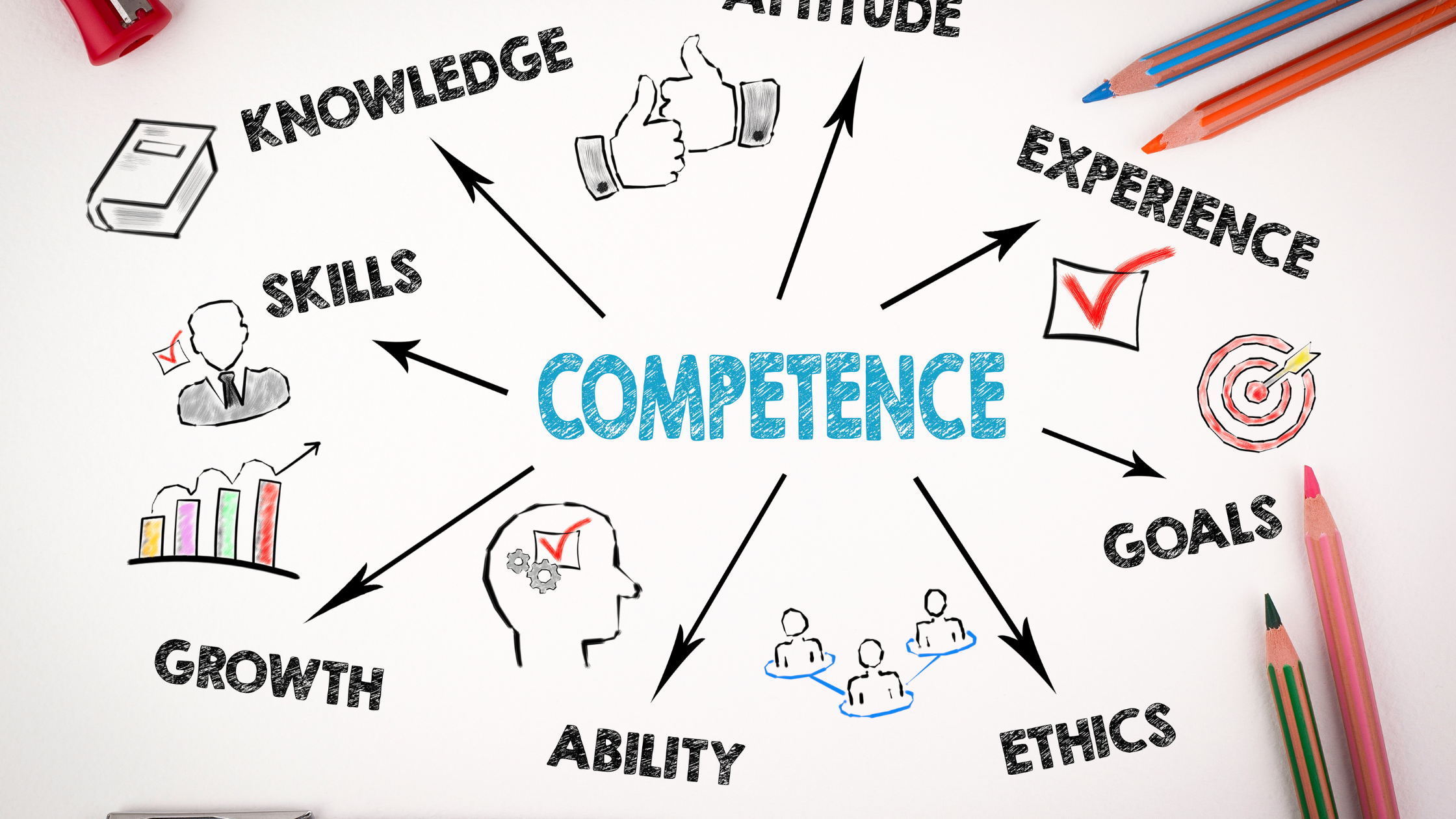
Each verification scheme requires precise technical profiles. You must show how you identify competences, train, assess and maintain verifier authorisation — including for new domains (biodiversity, taxonomy, ESG marketing claims).
3. Management system
Documentation, record control, internal audits, corrective actions, management review: the QMS must be proportionate yet robust. Assessors look for consistency between what is written and what is observed in the field.
4. Verification process
From contract review to issuance of the opinion, every step must be traceable. Frequent errors: poorly defined assurance levels, insufficient evidence, superficial technical reviews, or timelines incompatible with impartiality.
Preparing for accreditation: where to start?
- Initial diagnosis — map activities, target schemes and gaps versus ISO 17029 / 14065.
- Strengthen impartiality — independent review of the governance framework before the audit.
- Document alignment — procedures, templates, competence registers and internal-audit evidence.
- Pilot runs — conduct pilot verifications with critical external review.
- Engage the accreditation body — clarify scope, witnesses and expected evidence.
Common field mistakes we see
- Underestimating the time needed to structure the impartiality committee.
- Confusing sector experience with competence demonstrated against the standard.
- Generic documentation not adapted to the schemes actually verified.
- No improvement loop after internal audits.
- Late preparation for broader ESG expectations (marketing claims, value chains).
The 2026 context: ESG and accreditation
As the European framework matures (CSRD, Omnibus, ESG ratings supervision), demand for verified information rises. VVBs must anticipate stronger expectations on data quality, traceability and governance — beyond traditional carbon.
How Eco Fluent Solutions can support you
We help verification bodies to:
- run impartiality reviews and system diagnostics;
- structure competence and internal-audit processes;
- prepare for initial, surveillance and scope-extension accreditation audits;
- align practices with evolving ESG regulation.
Our goal: robust, credible systems ready to withstand external scrutiny — not cosmetic documents.
Conclusion
ISO 17029 is not a checkbox: it is the trust foundation for any serious verification activity. Whether you are creating a body, extending scope or consolidating after accreditation, structured preparation reduces cost, nonconformities and reputational risk.
Next step: book a discovery call to assess maturity and prioritise a realistic action plan — contact us or visit our ISO 17029 & ISO 14065 support page.