
For the past decade, sustainability has gradually entered corporate discourse. Carbon targets, ESG commitments, climate strategies, extra-financial reporting: the vocabulary is now well known. 2026 marks a turning point: a profound shift has taken hold in sustainability expectations.
Expectations are evolving. Stakeholders no longer settle for promises or abstract trajectories. They are looking for tangible signs, visible proof, actions that take place in the real world and in territories.
In other words, the question is no longer only what the company declares, but what it concretely does for the living world and how it does so credibly.
From declared sustainability to embodied sustainability
For a long time, sustainability was expressed mainly through documents: internal policies, indicators, annual reports. These elements remain essential, notably within the CSRD framework, but they now struggle to create genuine trust.
This gap is well documented. According to an IBM Institute for Business Value study (2023), nearly 70% of consumers believe companies communicate more than they actually act on sustainability. This scepticism is also observed in B2B relationships, where clients now expect simple, understandable proof — including from SMEs.
It is often at this stage that companies face a concrete difficulty: they act, sometimes even for a long time, but struggle to structure, qualify and explain their actions coherently.
Nature-related initiatives occupy a particular place here. They are immediately readable. A reforestation project, restoring a local ecosystem or supporting local biodiversity speak for themselves. But you still need to know how to integrate them into an overall approach, without falling into anecdote or over-communication.
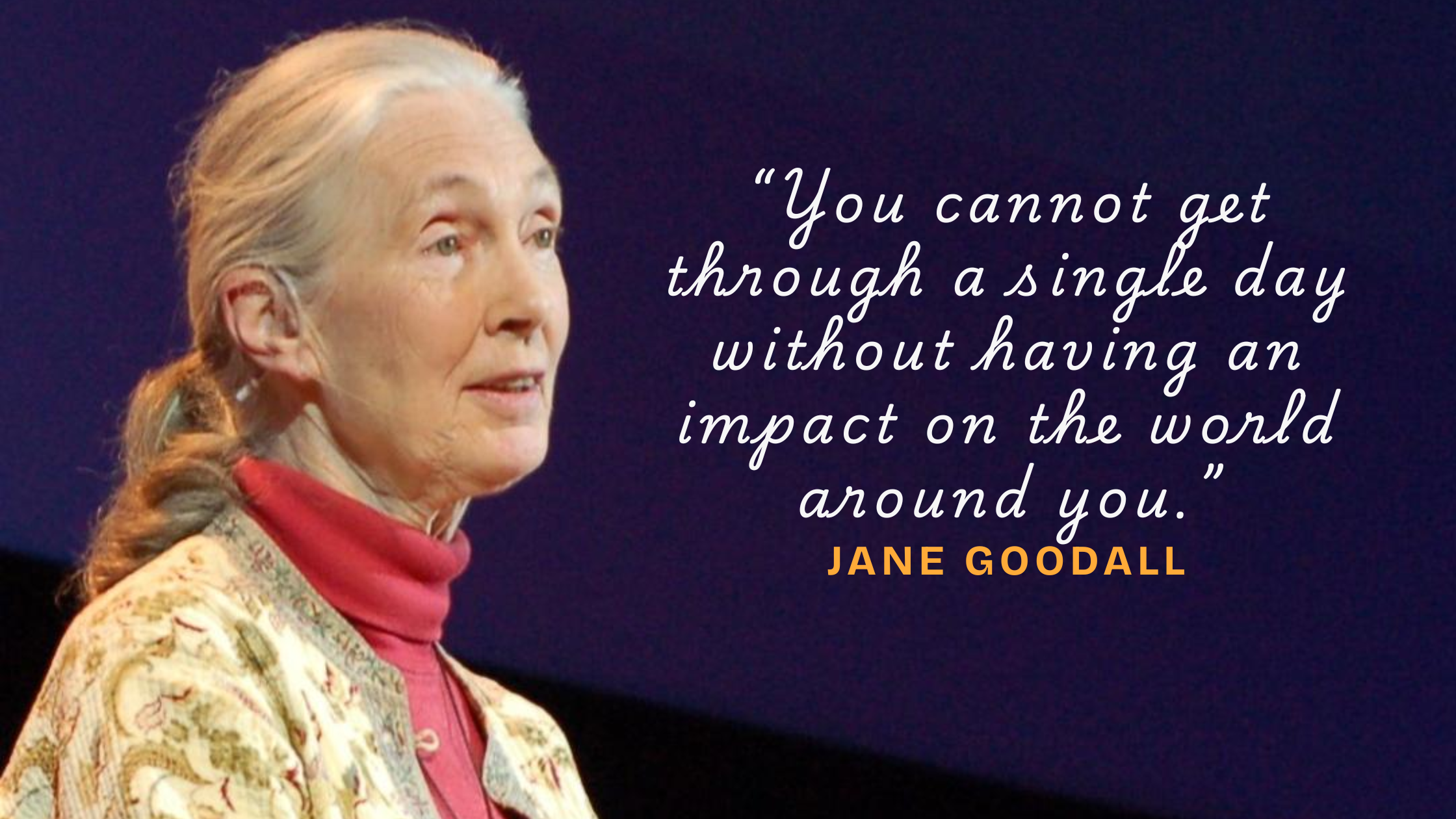
As Jane Goodall reminded us:
“You cannot get through a single day without having an impact on the world around you.”
For companies, the challenge is therefore not to have an impact — it already exists! But to understand it, manage it and make it readable.
Why nature is becoming a key trust factor
Nature-based solutions generate particular support, because they are understood without a technical filter. They create a direct link between economic activity and territory.
According to the Edelman Trust Barometer (2024), 62% of respondents trust companies more when they demonstrate local, visible environmental actions rather than those that communicate only on global commitments. This preference for the concrete is profoundly changing how companies must think about sustainability.
For an SME, this represents both an opportunity and a challenge. The opportunity lies in the ability to act at a human scale, close to the ground. The challenge lies in the need to choose relevant actions, aligned with the activity, real risks and stakeholder expectations.
It is often at this point that companies realise that not all “green” actions are equal, and that some can even weaken their credibility if they are not properly framed.
Nature and CSRD: a strategic coherence to build
Integrating nature into a sustainability strategy is not an alternative to regulatory requirements. It fits fully within the logic of CSRD and ESRS, which give growing prominence to environmental impacts, biodiversity and the value chain.
But this coherence does not happen by improvisation. Nature-based actions must be linked to a double materiality analysis, identified impacts and a clear governance logic. Without this minimum structuring, they risk remaining isolated, or even being misunderstood in exchanges with clients, partners or auditors.
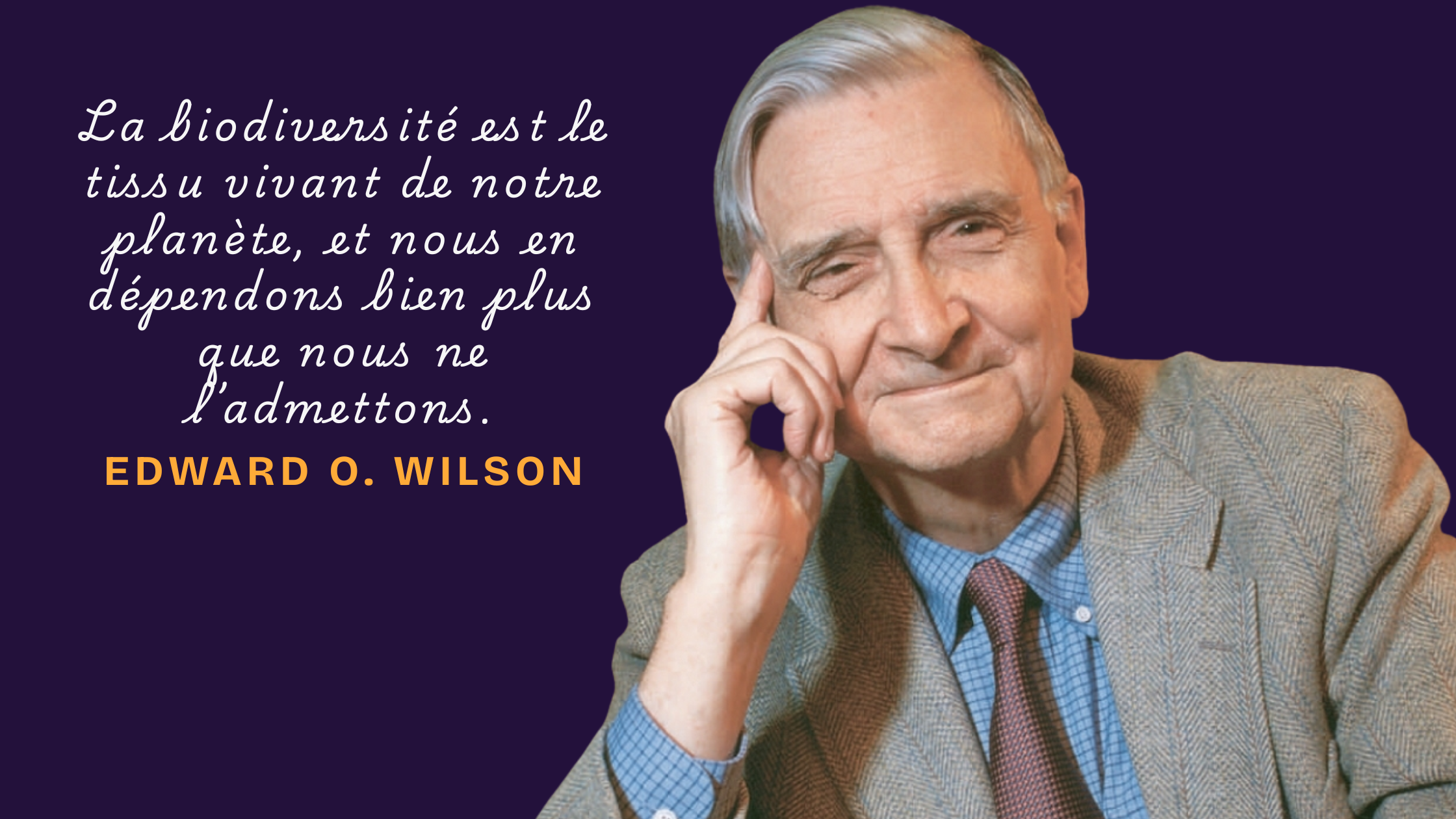
As Edward O. Wilson pointed out:
“Biodiversity is the living fabric of our planet, and we depend on it far more than we admit.”
Recognising this dependency also means translating commitments into understandable processes, including for organisations of modest size.
A real opportunity, but a structuring one, for SMEs
The World Economic Forum estimates that more than 50% of global GDP depends directly or indirectly on natural ecosystems. This figure reminds us that nature is not a “side” topic, but a factor of economic continuity.
For SMEs, the difficulty is not so much committing as knowing where to start, how to prioritise and how to avoid missteps. Resources are limited, time is too, and pressure from clients or buyers is very real.
It is precisely in this context that simple, proportionate and well-framed approaches make full sense. A local action, well chosen and properly integrated into a minimal ESG approach, can have more impact than an ambitious but poorly controlled programme.
What 2026 will make unavoidable
By 2026, sustainability will become less tolerant of improvisation. Companies will be expected to demonstrate coherence between their narratives, their actions and their internal systems.
Nature-based initiatives will continue to gain visibility, but only those embedded in a clear, structured logic will truly strengthen trust. Others risk facing increased scepticism, or even greenwashing accusations.
Conclusion: act for nature — yes! But with method
In 2026, betting on nature is no longer a posture or an optional extra.
It has become a credibility signal, provided the actions taken are coherent, understandable and integrated into the company’s real operations.
For SMEs, the challenge is not to multiply environmental initiatives, but to make the right choices, at the right level, in line with their activities, risks and operational priorities. A well-chosen local action, properly structured and linked to an existing approach, can strengthen trust far more effectively than an ambitious but poorly controlled programme.
It is often at this stage that companies grasp a key point:
nature-based actions create lasting value only when they fit within a clear framework: governance, objectives, processes and articulation with ISO, ESG and CSRD requirements.
In other words, in 2026, the question is no longer should we act?
But how to turn these actions into a credible, readable and lasting lever for the company.
Article published by Eco Fluent Solutions, a consultancy specialising in ISO management systems and sustainability governance.
We support SMEs in turning ISO and ESG requirements into operational systems, without over-documentation or unnecessary complexity.
SME support: find out how to structure your answers to ESG and VSME questionnaires.